When accountability meets opportunity, even punishment can look like privilege
By: Beautiful Truth | Culture Check | October 16, 2025
Sources: Business Insider (October 2025), ABC News (October 2025), TMZ (October 2025), RadarOnline (October 2025).
TODAY’S TRUTH
SUMMARY
The Door That Opened After the Gravel Fell
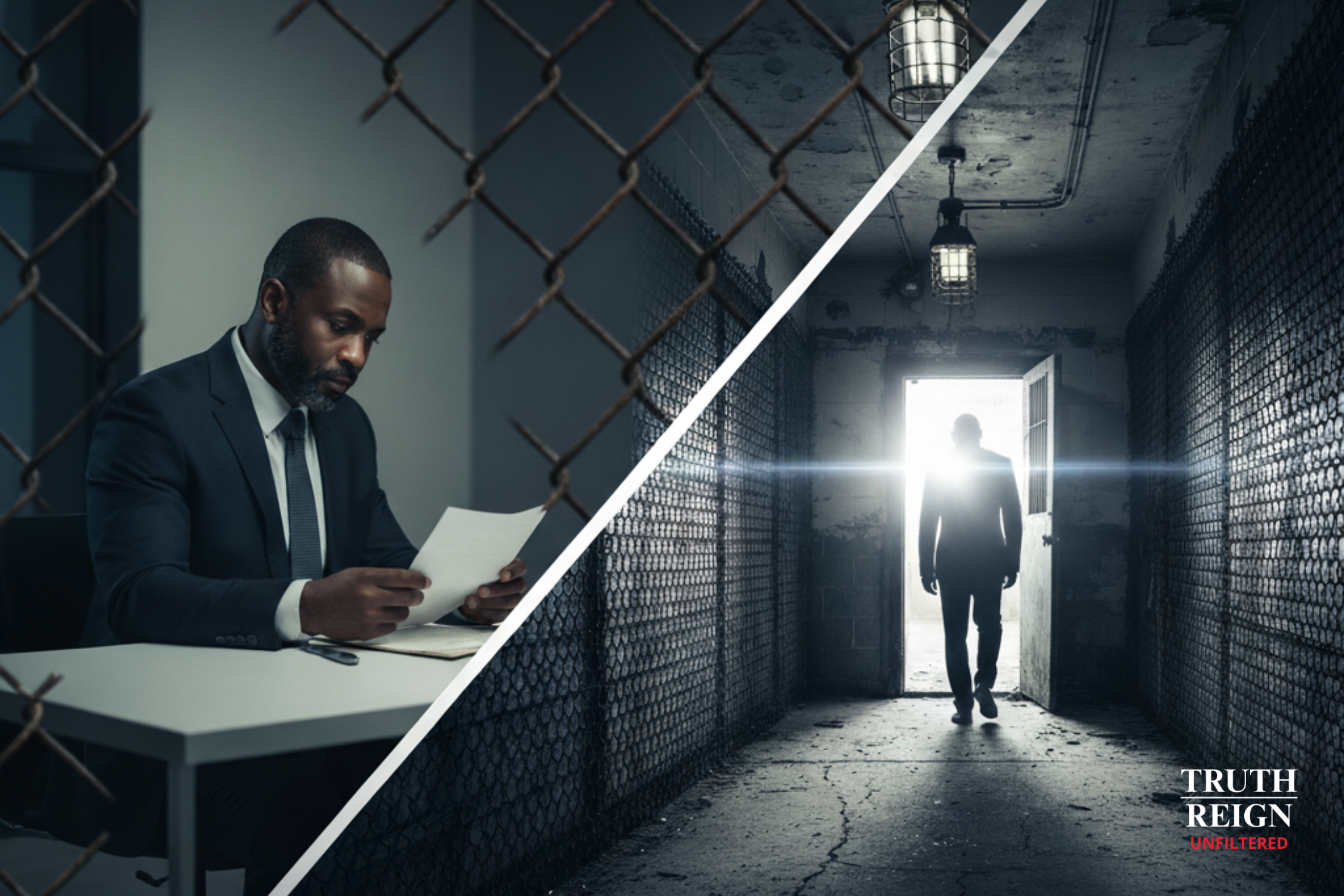
Just when it seemed Sean “Diddy” Combs had reached the end of the road, another door quietly cracked open. According to Business Insider, the same judge who sentenced Diddy to just over four years in prison has now recommended him for a federal drug-rehabilitation program — one that could shave up to a full year off his sentence if completed. It’s called the Residential Drug Abuse Program (RDAP) — a nine-month, 500-hour intensive treatment that offers inmates early release if they demonstrate rehabilitation and good conduct. Translation: Diddy’s four-year sentence could realistically shrink to three years or even less.
“For the powerful, redemption often starts with a recommendation.”
— Beautiful Truth
The Fine Line Between Fairness and Favor
Judge Arun Subramanian told Diddy at sentencing, “You are going to get through this… There is a light at the end of the tunnel.” But when the same system that condemned a man’s actions also offers him a path to shorten accountability, it raises questions — about fairness, about consistency, and about how rehabilitation gets rewarded when reputation still commands respect. Most people behind bars don’t have a federal judge personally recommending them for programs that can cut their time. They wait in line, fill out paperwork, and hope someone somewhere reads it. Diddy, meanwhile, gets a direct route — not because he’s changed yet, but because he’s famous enough to look like he might.
Sobriety, Strategy, or Both
To his credit, Diddy says he’s now sober for the first time in 25 years. He wrote in his letter to the judge, “I have been trying my best to deal with my drug abuse and anger issues and take accountability as well as positive steps toward healing.” But his lawyers were the ones who strategically asked for the RDAP placement, not Diddy volunteering for it. That distinction matters — because intent reveals everything. Is this about recovery or reputation? Healing or optics? A man rebuilding his life or a brand rebranding itself? For the victims who watched this trial unfold, that question lingers like an echo the system still hasn’t answered.
The Bureau of Privilege
The Bureau of Prisons still has the final say — and given that Diddy’s charges include violent conduct, his eligibility for early release isn’t guaranteed. But the fact that this option even exists for him tells a story about America’s uneven scales of justice: how proximity to influence can turn even punishment into privilege. And that’s the truth people don’t like to face — the rules don’t bend for remorse; they bend for reach.
Fame and the Federal System
For most inmates, the path to rehabilitation looks very different. They don’t get public sympathy, prime legal defense, or direct access to federal programs that promise early release. They get overcrowded cells, limited therapy, and the constant reminder that justice is rarely blind — it just looks away from those without power. Diddy’s case isn’t only about fame meeting failure. It’s a window into how privilege reshapes punishment.
The Politics of a Pardon
And if the system wasn’t already forgiving enough, politics might be waiting with an even bigger favor. Just days after sentencing, reports surfaced that Diddy reached out to former President Donald Trump, asking for a presidential pardon. Trump confirmed it himself, saying, “I call him Puff Daddy — he’s asked me for a pardon.”
Now, whether that request ever goes anywhere remains to be seen, but the optics say enough. Because when redemption starts looking like negotiation, and mercy becomes a matter of connections, it’s no longer about change — it’s about who can make the right phone call.
Trump told reporters he’d “look into it,” but that’s political language for “we’ll see how it plays.” And honestly, I’ve seen this movie before — men of power protecting the narrative of power. So while Diddy works to prove he’s a changed man behind bars, it’s hard to ignore how easily his path to freedom still leads back to another powerful man’s approval.
A Mother’s Understanding
To be honest, it’s hard to tell if Diddy’s doing all of this because he’s truly changed — or because he’s just trying to shorten his time.
But if that’s his motivation, I can’t be mad at him. I would do the same thing if it meant getting home to see my kids again.
What I do hope, though, is that he takes this time to really reflect — not just on what he’s lost, but on what he still has a chance to rebuild. Because we all know he’s gifted. The same man who built Bad Boy Entertainment from the ground up has the power to rebuild himself if he wants to.
And let’s be real — giving his former artists their music rights back was a step in the right direction. Maybe it was overdue, but it was still progress. So all we can do now is sit back, watch, and hope he keeps moving toward that light.
When God gives you a second chance at life, you take it — and you treat it like the blessing it is.
Grace vs. Growth
Diddy’s downfall isn’t just personal — it’s cultural. For decades, the industry rewarded arrogance, control, and invincibility. He didn’t just build a brand; he became one. And when that brand turned toxic, the man inside it had nowhere left to hide. Maybe that’s what prison really forces — not confinement, but confrontation with the self you created for survival.
This truth reminds us that redemption without humility is just rehearsal for repetition.
“The man who plans his freedom before his change will always return to the same chains.”
Thank you all for reading–not just for opinions, but for principle, fairness, and clarity.
— Beautiful Truth
Editorial Disclaimer:
Truth Reign Unfiltered is an independent commentary platform that shines light where others stay quiet. All content published represents protected speech under the First Amendment of the United States Constitution. Opinions expressed are based on publicly available information, cited sources, and personal analysis.
I do not publish to defame—but to inform, challenge, and encourage critical thought. Accountability is not hatred. Truth is not defamation. And silence is never my strategy.